
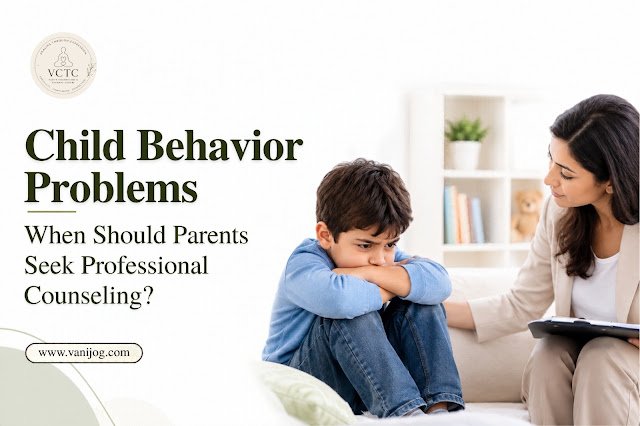
Every child has their own way of expressing feelings. Some children talk openly about what is bothering them, while others become quiet, angry, restless, or unusually sensitive.
A child who frequently argues, refuses to follow instructions, struggles to concentrate, or has sudden emotional outbursts may leave parents wondering whether the behaviour is just a phase or a sign of something deeper.
Parenting does not come with a manual, and understanding a child's behaviour is not always easy. Children may not have the words to explain their worries, fears, frustration, or sadness. Instead, their emotions often appear through their actions. Recognising these signals early can help parents respond with patience and seek professional support when needed.
Understanding What Lies Behind a Child's Behaviour
Behaviour is often a child's way of communicating an unmet need or an emotion they do not yet know how to manage. Frequent tantrums, aggression, withdrawal, excessive clinginess, changes in sleep, or a sudden drop in academic performance may be connected to several factors.
A child may be struggling with school pressure, friendship issues, bullying, family changes, difficulty adjusting to a new environment, or fear of disappointing others. Sometimes, children experience emotions they cannot fully understand themselves. What appears to be stubbornness may actually be anxiety, frustration, or a need for reassurance.
This does not mean every difficult behaviour indicates a psychological concern. Occasional mood changes and disagreements are part of growing up. However, when a pattern continues, becomes more intense, or begins affecting a child's relationships, learning, sleep, or everyday routine, it deserves attention rather than being dismissed as misbehaviour.
Common Child Behaviour Problems Parents Should Notice
Children express emotional difficulties in different ways depending on their age, personality, and environment. Some common signs that may require closer attention include:
Frequent anger or emotional outbursts: A child becomes upset quickly, reacts intensely to small problems, or finds it difficult to calm down.
Excessive worry or fear: The child constantly worries about school, separation from parents, making mistakes, or being judged by others.
Social withdrawal: A child who once enjoyed spending time with friends begins avoiding social situations or prefers to remain alone.
Changes in school performance: Difficulty concentrating, reluctance to attend school, or a sudden decline in academic performance may signal emotional or learning-related challenges.
Aggressive or defiant behaviour: Repeated hitting, shouting, arguing, or refusing everyday instructions may indicate difficulty managing emotions or other underlying concerns.
Changes in sleep or appetite: Persistent sleep disturbances, nightmares, changes in eating habits, or frequent physical complaints without a clear explanation can sometimes accompany emotional distress.
Low confidence and negative self-talk: Statements such as “I am not good enough” or “Nobody likes me” should be taken seriously, especially when repeated.
The important thing is to look beyond a single incident and notice the pattern. How often does it happen? What situations trigger it? How long has it continued? Is it affecting the child's happiness or daily functioning?
These observations can help parents understand when additional support may be useful.

When Should Parents Seek Professional Counseling?
Parents do not need to wait until a problem becomes severe before seeking guidance. Professional counselling may be helpful when emotional or behavioural difficulties persist, become harder to manage, or begin affecting a child's life at home, school, or with friends.
Consider consulting a professional if your child:
Experiences frequent emotional outbursts that are difficult to manage.
Shows ongoing anxiety, sadness, irritability, or fear.
Has difficulty adjusting after a major family change or stressful experience.
Repeatedly avoids school, social activities, or situations they previously enjoyed.
Struggles with relationships, confidence, or expressing feelings.
Shows behavioural changes that are affecting family life or academic progress.
Parents seeking Child and Adolescent Counseling in Nagpur can explore professional support to better understand their child's emotional needs and identify constructive ways to respond. Counselling is not about labelling a child as difficult or placing blame on parents. It is about understanding what may be contributing to the behaviour and helping the child develop healthier ways to communicate and cope.
If a child talks about self-harm, expresses a wish to die, or appears to be in immediate danger, seek urgent professional or emergency assistance rather than waiting for a routine appointment.
How One-to-One Counselling Can Help Children
Children may find it difficult to share their worries in front of family members. They might fear being scolded, misunderstood, or disappointing the people they love. A supportive counselling environment can give them an opportunity to express themselves without feeling that every emotion or action will be judged.
In one-to-one counselling, the professional can explore the child's concerns at an age-appropriate pace. Depending on the child's needs, this may involve conversation, emotional awareness activities, creative expression, or practical exercises that encourage healthier coping skills.
The aim is to help children gradually understand their feelings, recognise triggers, communicate more effectively, and develop strategies for managing difficult situations. Progress varies from child to child, and counselling is not an overnight solution. Consistency, trust, and cooperation between the child, counsellor, and family can all play an important role.
Parents may also receive guidance on responding to difficult behaviour calmly, setting reasonable boundaries, encouraging positive habits, and avoiding reactions that unintentionally increase a child's distress.
How Dr. Vani Jog's Experience Can Support Your Child
When parents seek help for a child's behaviour, they often want more than advice on how to stop tantrums or improve discipline. They want to understand what their child is experiencing and learn how to respond in a way that supports emotional growth.
Dr. Vani Jog of Vani's Counseling & Therapy Centre brings around 30 years of teaching experience, along with counselling experience and a background in Counselling Psychology. Her understanding of educational environments and the challenges children may encounter while growing up can contribute to a thoughtful, individualised counselling process. She also has a background in art-based therapy, which may offer additional ways for children to explore and express emotions when finding the right words feels difficult.
Through one-to-one counselling, Dr. Vani Jog can work with children and parents to explore concerns such as emotional outbursts, anxiety, low confidence, school-related stress, and difficulties with communication. The focus is on understanding the individual child rather than assuming that one approach will work for every family.
For parents searching for an Anxiety and Depression Therapist in Nagpur, it is important to seek a qualified professional who can assess the child's concerns carefully and recommend appropriate support. Persistent sadness, excessive worry, irritability, or withdrawal may require further evaluation rather than being treated simply as a behaviour problem.
Similarly, Stress Management Counseling in Nagpur may be relevant when a child is struggling with academic pressure, expectations, family changes, or difficulty balancing everyday demands. With suitable guidance, children can begin learning practical ways to recognise stress, express their needs, and respond to challenging situations.
Counselling does not replace a parent's role. Instead, it can help parents and children work together with a clearer understanding of emotions, expectations, and healthy boundaries.
What Parents Can Do at Home
Professional support works best when children also experience understanding and consistency in their everyday environment. Parents can begin with a few simple changes.
Listen before correcting. When a child becomes upset, first try to understand what happened. Correcting behaviour immediately, without acknowledging the child's feelings, may make it harder for them to explain their concerns.
Set clear and consistent boundaries. Children need to understand which behaviours are acceptable. Rules should be age-appropriate, predictable, and explained calmly.
Avoid comparisons. Statements such as “Why can't you be like your brother?” can affect a child's confidence. Focus on the child's individual progress instead.
Notice positive behaviour. Acknowledge when your child communicates calmly, handles frustration, or makes an effort. Specific encouragement helps children recognise what they are doing well.
Make time for conversation. A few minutes of undistracted time each day can make it easier for children to share what is happening at school or with their friends.
Work with the school when appropriate. Teachers may notice patterns that parents do not see at home. Sharing observations can help build a more complete understanding of the child's difficulties.
Most importantly, avoid treating every emotional reaction as deliberate disobedience. Children still need guidance and accountability, but they also need opportunities to learn how to manage their feelings.
Helping Your Child Feel Understood, Not Judged
A child's behaviour can sometimes test a parent's patience, especially when the same challenges continue despite repeated efforts. It is natural to feel confused or concerned. Seeking professional help is not an admission of failure; it is a step towards understanding what your child may need.
Early support can help families recognise concerns, strengthen communication, and explore healthier ways to manage emotional and behavioural challenges. With patience, appropriate guidance, and collaboration, children can build skills that support their relationships, confidence, and overall well-being.
At Vani's Counseling & Therapy Centre, Dr. Vani Jog, a Counseling Psychologist in Nagpur, offers parents an opportunity to discuss their concerns and explore whether individual counseling may be suitable for their child. The process begins with listening, understanding the situation, and carefully considering the most appropriate next steps to support the child's emotional well-being.
If you are concerned about your child's behaviour, consider seeking guidance before the difficulties become overwhelming.

Because sometimes, what a child needs most is not another warning, but an opportunity to be heard and understood.
Contact Vani's Counseling & Therapy Centre
Call: +91 95294 31886
Website: vanijog.com
Address: Vani's Counseling & Therapy Centre, Room 5, 1st Floor, Purva Vidarbha Mahila Parishad, New Ramdaspeth, Nagpur, Maharashtra 440010.