
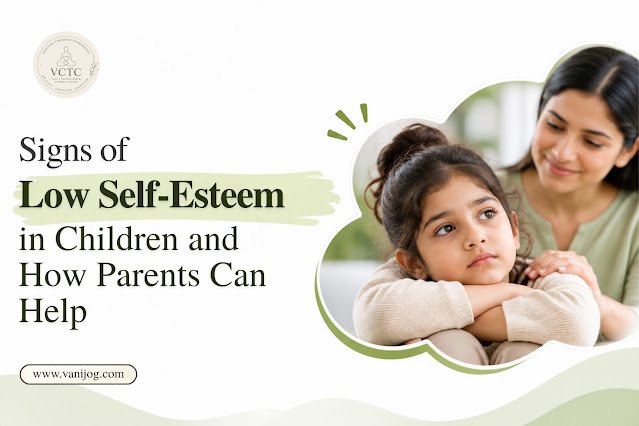
Every child deserves to feel loved, accepted and confident about who they are. But not every child finds it easy to believe in themselves
Some children constantly compare themselves with others, hesitate to try new things or feel that they are never good enough. Others may become unusually quiet, sensitive or frustrated when things do not go their way.
These behaviours may sometimes be signs of low self-esteem in children.
Childhood is an important stage of emotional development. The experiences children have at home, school and among friends gradually shape how they see themselves. A child's confidence is influenced not only by achievements and appreciation but also by how parents respond to mistakes, how teachers communicate and how children are treated by their peers.
As parents, we naturally want our children to succeed and be happy. However, building confidence is not about making children feel that they must always be the best. It is about helping them understand that they are valuable, capable and worthy, even when they make mistakes.
Recognising the early signs of low self-esteem and providing the right emotional support can make a meaningful difference in a child's life.
What Is Self-Esteem in Children?
Self-esteem is the way children think and feel about themselves. It reflects how much they value their abilities, personality, opinions and individuality.
Children with healthy self-esteem generally feel comfortable expressing themselves, making friends, learning new things and accepting that mistakes are a normal part of life. They may feel disappointed when something goes wrong, but they do not automatically consider themselves failures.
On the other hand, children experiencing low self-esteem may constantly question their abilities. They might believe that other children are smarter, more talented or more likeable. Even when they achieve something good, they may struggle to appreciate their own efforts.
It is important to understand that self-esteem is not the same as being confident all the time. Every child experiences insecurity, nervousness and self-doubt occasionally. The concern arises when these feelings become frequent and start affecting their everyday activities, relationships or emotional well-being.
10 Common Signs of Low Self-Esteem in Children
Low self-esteem does not look the same in every child. Some children express their feelings openly, while others keep their worries to themselves. Parents should pay attention to repeated patterns rather than judging their child's behaviour based on a single incident.
1. Constantly Saying Negative Things About Themselves
Listen carefully to the way your child talks about themselves.
Statements such as "I am not good enough", "I cannot do anything properly", "Nobody likes me" or "I am not as smart as my friends" may indicate negative self-perception.
Children who repeatedly use such statements may have difficulty recognising their own strengths. Instead of dismissing these feelings, parents should gently understand what makes the child think this way.
2. Being Afraid of Making Mistakes
Some children avoid trying new activities because they are afraid of failing or being criticised.
They may hesitate to participate in classroom activities, competitions, sports or even simple creative tasks. Their fear of making mistakes may become stronger than their interest in learning something new.
Parents should remind children that nobody gets everything right the first time. Mistakes are a natural part of growing, learning and discovering new abilities.
3. Constantly Comparing Themselves With Others
Children often compare their marks, appearance, clothes, talents and popularity with those of their friends.With increasing exposure to social media, teenagers may also feel pressured to match unrealistic expectations about beauty, lifestyle and success.When children constantly compare themselves with others, they may overlook their own achievements and feel inadequate. Help them understand that every individual has different strengths, interests and abilities. Their journey does not need to look like someone else's.
4. Avoiding Social Interactions
A child experiencing low self-esteem may hesitate to make friends, participate in group discussions or attend social gatherings.They may worry about being judged, laughed at or rejected. Sometimes, they remain silent even when they have something meaningful to say. Parents should create opportunities for comfortable social interactions without forcing children to become outgoing. Being quiet is not necessarily a problem, but persistent fear of social situations deserves attention.
5. Becoming Extremely Sensitive to Criticism
Children with low self-esteem may take even small corrections personally.
A simple suggestion about homework or behaviour may make them feel that they are not good enough. They may cry, become defensive or withdraw from the conversation.
Parents should be mindful of their words. There is a difference between correcting a child's behaviour and making them feel that something is wrong with who they are.
Instead of saying, "You are careless", try saying, "Let's understand what went wrong and how we can improve it."
6. Seeking Constant Approval
Some children repeatedly ask their parents whether they have done something correctly or whether others are happy with them. They may find it difficult to make decisions independently because they are afraid of disappointing someone. Although reassurance is a normal part of childhood, excessive dependence on approval may indicate a lack of confidence in their own abilities.Encourage children to make small decisions and appreciate their independent efforts.
7. Difficulty Expressing Their Feelings
Not every child knows how to explain what is happening inside them.Some children hide sadness, fear, disappointment or frustration because they do not want to upset their parents or appear weak.Instead of expressing their emotions, they may become unusually quiet, irritated or withdrawn. Let children know that they can talk about anything without being judged. Sometimes, simply listening can help them feel understood.
8. Perfectionism and Fear of Disappointing Others
A child may feel that everything they do must be perfect to receive appreciation.
They may become upset over small mistakes, spend excessive time completing tasks or feel disappointed even after achieving good marks.
Such behaviour can create unnecessary pressure and emotional exhaustion.
Parents should communicate that their love and acceptance are not connected to marks, trophies or achievements.
9. Becoming Easily Frustrated or Aggressive
Low self-esteem does not always appear as shyness or sadness.
Some children express insecurity through anger, arguments, irritability or frustration. They may react strongly when they feel embarrassed, rejected or misunderstood.
Rather than focusing only on correcting the behaviour, parents should also try to understand the emotions behind it.
10. Losing Interest in Activities They Once Enjoyed
A child who previously enjoyed painting, playing sports, meeting friends or participating in school activities may suddenly begin avoiding them.
Sometimes, this happens because the child feels they are not talented enough or fears being judged by others.
A noticeable and persistent change in interests, especially when accompanied by sadness or withdrawal, should not be ignored.

What Causes Low Self-Esteem in Children?
There is rarely one single reason behind low self-esteem. A combination of personal experiences, family interactions and social influences may affect how children view themselves.
Some common contributing factors include:
Frequent comparisons: Comparing children with siblings, classmates or friends can make them feel inadequate.
Academic pressure: Unrealistic expectations about marks and performance may create a fear of failure.
Bullying: Teasing, name-calling, exclusion and rejection can affect a child's confidence.
Constant criticism: Repeated negative comments about appearance, behaviour or abilities may influence self-image.
Lack of emotional connection: Children who feel unheard or ignored may struggle with their sense of belonging.
Family conflicts: Frequent arguments and stressful home environments can affect emotional security.
Social media influence: Unrealistic online images and lifestyles may increase comparison, particularly among teenagers.
Major life changes: Changing schools, moving homes, parental separation or losing someone close can affect emotional well-being.
Understanding these experiences helps parents respond with empathy instead of blame.
How Parents Can Help Children Build Healthy Self-Esteem
Parents do not need to have perfect answers to every problem. Children need consistent encouragement, emotional availability and a home environment where they feel accepted.
Here are some practical ways to support them.
1. Listen Without Judging
When your child shares something, give them your full attention. Avoid interrupting, dismissing their concerns or immediately offering solutions. Instead of saying, "You are overthinking", try saying, "I understand this is bothering you. Would you like to tell me more?" A child who feels heard is more likely to communicate openly.
2. Appreciate Efforts, Not Just Achievements
Good marks and awards deserve appreciation, but so do patience, dedication and improvement. Notice when your child tries something difficult, helps someone, expresses an opinion or makes an effort despite feeling nervous.This helps children understand that their worth is not measured by their performance.
3. Stop Comparing Them With Other Children
Every child develops at a different pace. Comparing siblings or classmates can create unnecessary competition and insecurity.
Instead, focus on your child's individual progress. Celebrate small improvements and help them recognise their unique strengths.
4. Allow Them to Make Mistakes
Protecting children from every difficult experience may seem like love, but it can sometimes prevent them from developing independence.
Allow age-appropriate decisions and let children learn from their experiences. Offer guidance when needed without taking control of every situation.
5. Create Time for Meaningful Conversations
Busy schedules often leave little time for meaningful family conversations.
Spend some time every day asking about your child's experiences, friendships, interests and feelings.
Do not make every conversation about homework, marks or responsibilities. Sometimes, children simply need someone who listens.
6. Encourage Hobbies and Creative Activities
Painting, music, dance, reading, sports and other activities give children opportunities to discover their interests.
The focus should be on enjoyment and self-expression rather than competition or perfection.
7. Teach Positive and Realistic Self-Talk
Help children recognise negative thoughts and replace them with more balanced statements.
| Negative Thinking | Healthier Thinking |
|---|---|
| I cannot do this. | I can learn with practice. |
| I always fail. | I can improve with experience. |
| Everyone is better than me. | I have my own strengths. |
| Nobody likes me. | I can build meaningful friendships. |
| I made a mistake. | I can learn from this mistake. |
The aim is not to force children to feel positive all the time. It is to help them develop a kinder and more realistic relationship with themselves.
How Low Self-Esteem Can Affect Children's Emotional Well-Being
When low self-esteem continues without adequate support, it may affect different areas of a child's life.
Children may experience:
Anxiety: Constantly worrying about what others think or whether they will succeed.
Academic stress: Fear of failure, difficulty participating and reduced motivation.
Social difficulties: Hesitation in making friends or expressing opinions.
Emotional withdrawal: Avoiding conversations and activities they once enjoyed.
Poor stress management: Feeling overwhelmed by everyday challenges.
Relationship difficulties: Struggling to communicate needs or establish healthy boundaries.
Low self-esteem does not automatically indicate a mental health condition. However, persistent emotional difficulties should be taken seriously, particularly when they affect sleep, school, relationships or daily activities.
When Should Parents Consider Child and Adolescent Counseling in Nagpur?
Sometimes, despite their best efforts, parents may find it difficult to understand what their child is experiencing. Children may also need a neutral and supportive space where they can express feelings they are uncomfortable sharing at home.
This is where Child and Adolescent Counseling in Nagpur can be helpful.
A qualified counselling psychologist can help children understand their emotions, recognise negative thought patterns and develop healthier ways of responding to difficult situations.
Parents may consider professional counselling when their child:
- Frequently expresses negative thoughts about themselves.
- Experiences persistent fear, anxiety or emotional distress.
- Struggles with friendships or social interactions.
- Has difficulty managing academic pressure.
- Shows noticeable changes in behaviour or mood.
- Finds it difficult to communicate feelings.
- Experiences bullying, rejection or family-related stress.
- Consistently avoids activities they previously enjoyed.
Counselling is not about labelling children or changing their personalities. It is about understanding their experiences and helping them develop emotional awareness, confidence and healthy coping skills.
The Role of Stress Management Counseling in Nagpur
Children and teenagers today experience different forms of pressure. Academic expectations, competitive examinations, friendships, family responsibilities and social media can sometimes become overwhelming.
When children do not know how to manage these pressures, stress may affect their confidence and emotional well-being.
Stress Management Counseling in Nagpur can help children and adolescents understand their stress triggers and develop practical coping strategies.
Depending on their needs, counselling may focus on:
Understanding and expressing emotions.
Identifying situations that trigger stress.
Learning relaxation and breathing techniques.
Developing healthy daily routines.
Improving communication skills.
Managing academic and social expectations.
Building emotional resilience.
The purpose is not to remove every challenge from a child's life but to help them approach challenges with greater understanding and confidence.
How Art-Based Therapy Can Support Children's Emotional Expression
Not every child finds it easy to communicate through words. Some children express their thoughts and emotions more naturally through drawing, painting, colours and creative activities.
Art-based therapy can provide an alternative way for children to explore their feelings in a supportive environment.
Through guided creative activities, children may find opportunities to:
Express emotions that are difficult to put into words.
Develop greater emotional awareness.
Explore feelings such as sadness, anger and fear.
Recognise their strengths and individuality.
Improve communication and self-expression.
Art-based therapy is not about creating perfect artwork. The focus is on the child's emotional experience and the meaning behind their expression.
When used appropriately as part of a counselling approach, creative activities can help children feel more comfortable exploring their inner world.
Meet Your Therapist: Dr. Vani Jog
A Calm Space to Understand Yourself More Deeply
Every child and individual has a different story. Sometimes, understanding what we feel is the first step towards feeling better.
With 30 years of teaching experience and approximately 3.5 years of professional counselling practice, Dr. Vani Jog brings together her understanding of people, learning and emotional development.
Her approach combines specialised training in Counselling Psychology and Art-Based Therapy to create a safe, supportive and non-judgmental space for individuals to explore their emotions.
As a Counseling Psychologist in Nagpur, her approach focuses on helping individuals understand themselves, manage emotional challenges and discover healthier ways of moving forward.
Therapy is not about giving ready-made answers. It is about listening, understanding and supporting individuals as they find a way forward that feels right for them.
At Vani's Counselling & Therapy Centre, the focus is on providing compassionate counselling support for anxiety, stress, emotional healing, child and adolescent concerns and other personal challenges.
Whether someone is struggling with self-doubt, emotional stress or difficulty expressing feelings, seeking support can be a meaningful step towards better emotional well-being.
Frequently Asked Questions
1. What are the common signs of low self-esteem in children?
Common signs include negative self-talk, fear of failure, frequent comparison, social withdrawal, sensitivity to criticism and constant need for approval. Persistent changes in behaviour should be discussed with a qualified professional.
2. How can parents improve a child's confidence?
Parents can encourage confidence by listening without judgment, appreciating efforts, avoiding comparisons, allowing independent decisions and creating a supportive home environment.
3. Can low self-esteem affect a child's academic performance?
Yes. Children who constantly doubt their abilities may hesitate to participate in class, avoid difficult tasks and experience fear of failure. This can affect their motivation and academic confidence.
4. When should I consult a Counseling Psychologist in Nagpur?
Consider professional support if your child experiences persistent anxiety, negative self-perception, emotional withdrawal, social difficulties or stress that affects everyday life.
5. Can counselling help children overcome low self-esteem?
Counselling can help children understand their emotions, identify unhelpful thought patterns and develop healthier coping strategies. It can also support emotional awareness and self-confidence.
6. Is low self-esteem common during adolescence?
Adolescence involves changes in identity, friendships, appearance and social relationships. Some insecurity is common, but persistent emotional distress should not be ignored.
7. Can art-based therapy help children express emotions?
Yes. Guided creative activities can provide children with alternative ways to express and explore feelings, especially when verbal communication feels difficult.
Conclusion: Help Your Child Believe in Themselves
A child's confidence is built through small everyday experiences. A parent's encouraging words, a teacher's understanding, a supportive friendship and the freedom to make mistakes can all contribute to a healthier sense of self-worth.
Children do not need to be perfect. They need to know that they are accepted even when they fail, make mistakes or struggle to express themselves.
As parents, we can help by listening more, comparing less, appreciating individual strengths and creating an environment where children feel emotionally safe.
And when a child needs additional support, professional counselling can help them understand their emotions and develop the confidence to face life's challenges.
Every child deserves to grow up believing they are capable, valued and worthy of love.
If your child is experiencing emotional difficulties, low confidence or stress, consider seeking guidance from a professional.

Contact Vani's Counseling & Therapy Centre
Call: +91 95294 31886
Website: vanijog.com
Address: Vani's Counseling & Therapy Centre, Room 5, 1st Floor, Purva Vidarbha Mahila Parishad, New Ramdaspeth, Nagpur, Maharashtra 440010.