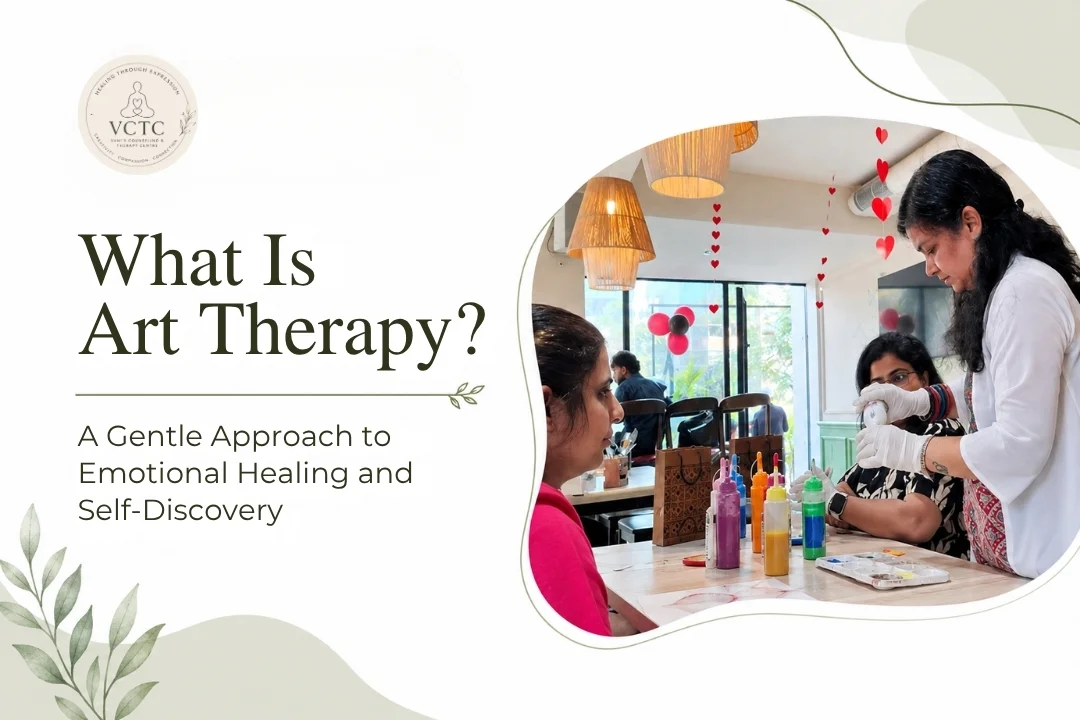
Explore how art therapy uses creativity and self-expression to help individuals understand emotions, develop self-awareness and support emotional healing.
Art therapy is a creative and therapeutic approach that uses artistic expression to help people explore emotions, thoughts, experiences, and personal challenges. It is not about creating perfect artwork or having professional artistic skills. Instead, it provides a safe and meaningful way to express feelings that may sometimes be difficult to communicate through words alone.
We often experience emotions that are complicated, overwhelming, or difficult to explain. Stress, anxiety, sadness, relationship difficulties, low confidence, past experiences, and emotional exhaustion can affect the way we think and respond to everyday situations. Art therapy can create a different pathway for understanding these experiences. Through drawing, painting, colours, movement, writing, collage, and other creative activities, we can begin to observe our inner world with greater awareness and compassion.
For individuals looking for an Anxiety and Depression Therapist in Nagpur, art-based therapeutic practices can become a supportive part of the counselling process. Similarly, people seeking Stress Management Counseling in Nagpur or PTSD Counseling in Nagpur may benefit from approaches that allow emotions to be explored gradually, safely, and at an individual pace.
What Is Art Therapy?
Art therapy combines psychological understanding with creative expression. It is facilitated by a trained professional who creates a supportive environment where individuals can explore their emotions and experiences through artistic activities.
The purpose is not to judge artistic ability or produce something aesthetically pleasing. The artwork becomes a form of expression and reflection. Sometimes a person may find it easier to choose a colour, draw a shape, create an image, or work with a particular material than to immediately explain what they are feeling.
Art therapy can therefore help us pause, reflect, and become more aware of thoughts and emotions that may otherwise remain difficult to recognise.
A person does not need to know how to draw or paint. There is no requirement to create a beautiful picture. The focus remains on the experience of creating, the emotions that emerge during the process, and the personal meaning attached to that experience.
How Does Art Therapy Work?
Art therapy generally begins with a safe and comfortable therapeutic relationship. We first focus on understanding the individual's concerns, emotional experiences, personal history, and current needs.
Creative activities may then be introduced according to the person's comfort level. These activities can include drawing, painting, colour work, free expression, visual journaling, collage, clay work, creative writing, or other expressive exercises.
The process may encourage individuals to notice questions such as:
- What emotions are present right now?
- What thoughts keep returning?
- What does a particular colour or image represent personally?
- What feels difficult to express verbally?
- What changes when we look at an experience from another perspective?
What would we like to understand about ourselves?
There is no universal interpretation of an artwork. The meaning comes from the individual who created it and from the therapeutic conversation surrounding the creative process.
Art Therapy for Anxiety and Depression
Anxiety and depression can influence thoughts, behaviour, relationships, sleep, motivation, confidence, and everyday functioning. At times, individuals may know that they are struggling but may not know exactly how to explain what they are experiencing.
Creative expression can provide an additional way to explore these emotions.
For someone seeking an Anxiety and Depression Therapist in Nagpur, art-based counselling can offer a gentle space to identify emotional patterns, understand internal experiences, and develop healthier ways of responding to difficult feelings.
Art therapy does not mean that every emotional difficulty can be solved through drawing or painting. Rather, it can be incorporated into a broader therapeutic approach when it is appropriate for the individual.
Through guided creative exercises, we can explore themes such as self-image, fear, loneliness, emotional exhaustion, personal strengths, relationships, and hopes for the future.
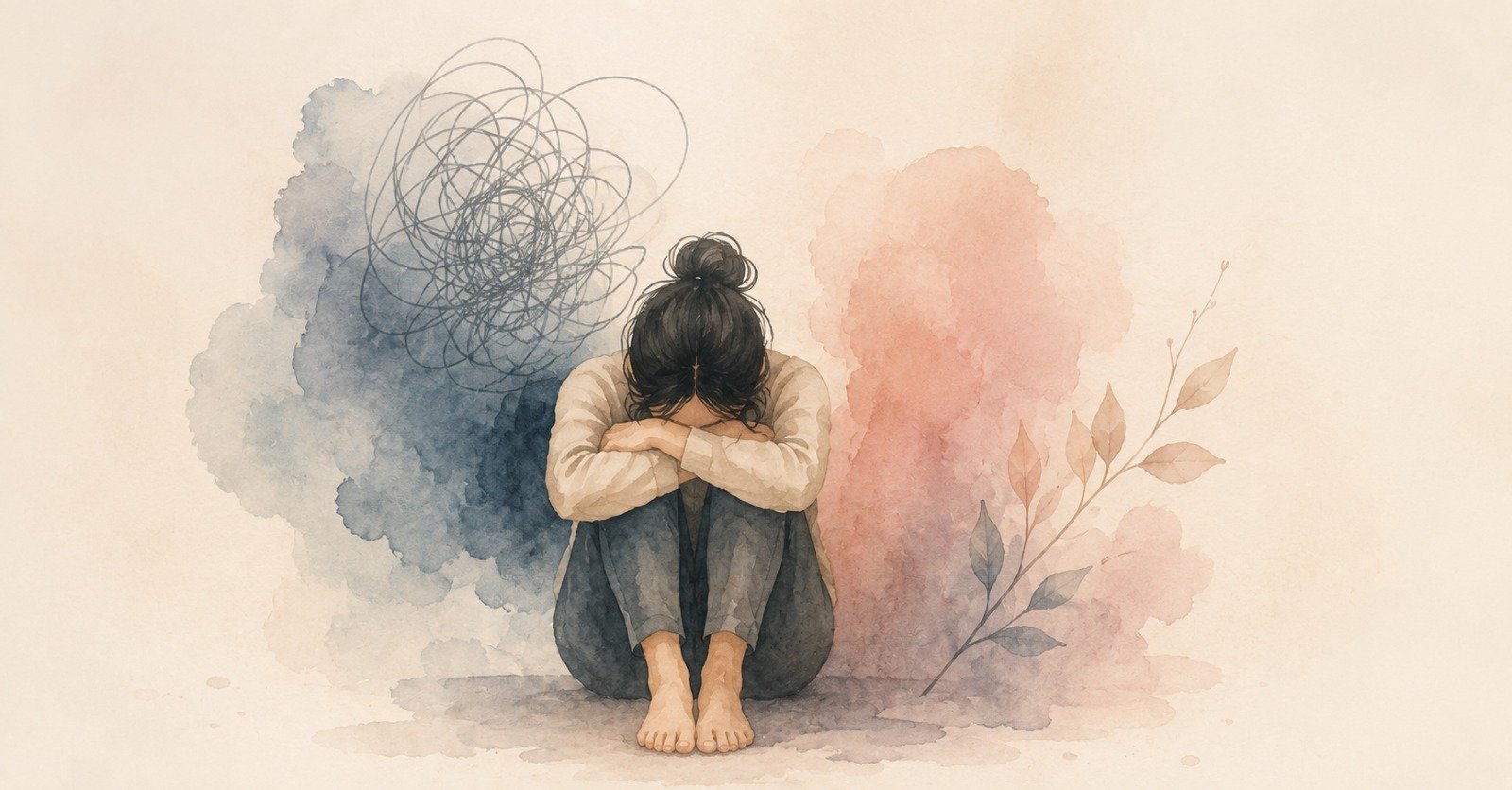
Art Therapy for Stress Management
Modern life can create continuous mental and emotional pressure. Work responsibilities, family expectations, relationship concerns, academic pressure, financial worries, and personal uncertainty can contribute to prolonged stress.
When stress continues for a long time, it may become difficult to slow down mentally. We may find ourselves constantly thinking about responsibilities without creating enough space to understand how we actually feel.
Art Therapist in Nagpur can provide structured support for recognising stress patterns and developing healthier coping strategies. Creative activities may complement this process by giving individuals an opportunity to slow down, focus on the present moment, and express emotions in a non-judgmental environment.
The goal is not simply to distract ourselves from stress. Instead, we work towards understanding what is contributing to the stress and identifying practical and emotionally healthy ways of responding.
Art Therapy and Trauma
Traumatic experiences can sometimes be difficult to describe directly. Individuals may experience fear, emotional numbness, distressing memories, avoidance, heightened alertness, or difficulty trusting others.
For people considering PTSD Counseling in Nagpur, therapy should always be approached with sensitivity, appropriate professional training, and respect for the individual's readiness.
Expressive approaches may sometimes be incorporated carefully into trauma-informed counselling. The focus should remain on emotional safety rather than forcing someone to revisit painful experiences before they are ready.
Art can provide an indirect form of expression, allowing a person to communicate feelings gradually. However, trauma-related concerns require appropriate psychological assessment and professional care, and art therapy should be used as part of a suitable therapeutic framework rather than as a standalone solution.
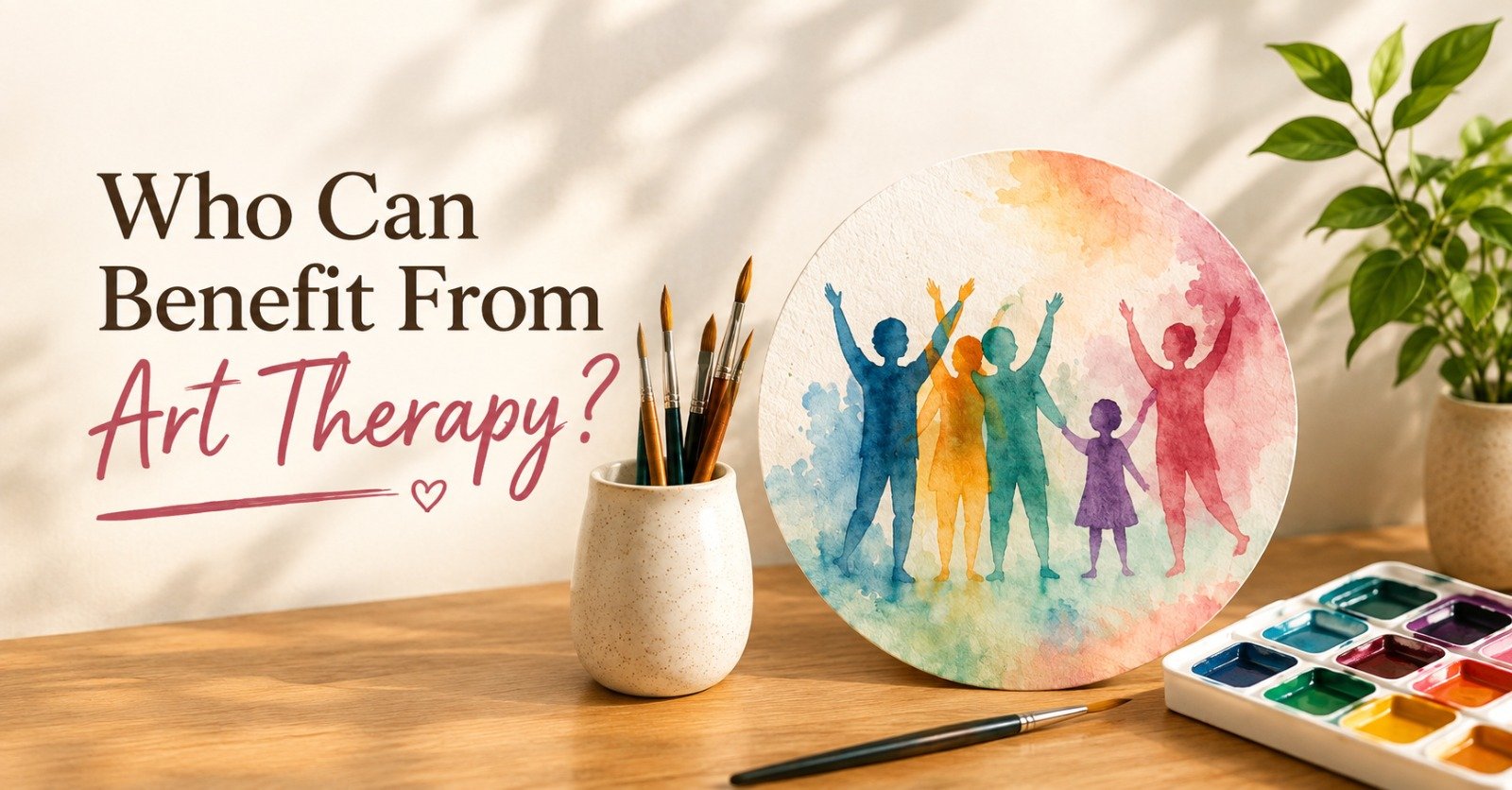
Who Can Benefit From Art Therapy?
Art therapy can be useful for people experiencing a wide range of emotional and personal concerns. It may be considered by individuals dealing with:
- Anxiety and persistent worry
- Low mood and emotional heaviness
- Stress and burnout
- Relationship difficulties
- Low self-esteem
- Emotional confusion
- Grief and loss
- Life transitions
- Difficulty expressing feelings
- Self-discovery and personal growth
- Trauma-related emotional challenges
It can also be useful for individuals who simply want to understand themselves more deeply. Therapy does not always have to begin when a problem reaches a crisis point. Sometimes, it begins with a desire to understand our thoughts, feelings, patterns, and relationships better.
Art Therapy Is Not About Artistic Talent
One of the biggest misconceptions about art therapy is that people need to be creative or talented.
They do not.
A simple line, colour, shape, symbol, handwritten word, or abstract drawing can become meaningful when it reflects an individual's internal experience. There is no competition and no artistic evaluation.
The therapeutic value lies in the process of expression and reflection rather than the quality of the final artwork.
This can make art-based therapy particularly approachable for people who feel uncomfortable talking extensively during the early stages of counselling.
A Safe Space to Understand Yourself More Deeply
We believe healing begins when we feel genuinely seen, heard, and accepted.
Our approach combines traditional counselling with creative expression, creating a space where individuals can slow down and explore their inner experiences without pressure to have all the answers immediately.
With 30 years of teaching experience and approximately 3.5 years of professional counselling practice, our approach brings together an understanding of people, learning, emotional development, counselling psychology, and expressive arts practice.
Every individual has a different story. Therapy is therefore not about giving everyone the same advice or ready-made answers. It is about creating a supportive environment where we can understand what is happening, recognise personal patterns, express emotions, and gradually discover a way forward that feels meaningful.
When You Know Something Feels Wrong but Do Not Know Where to Begin
Emotional difficulties do not always arrive with a clear label.
Sometimes they appear as constant overthinking. Sometimes they show up as irritability, emotional withdrawal, relationship strain, lack of confidence, difficulty concentrating, or feeling disconnected from ourselves.
We may continue with our daily responsibilities while internally feeling tired or overwhelmed.
Counselling can provide a calm space to stop, reflect, and understand these experiences. Through conversation and, where appropriate, expressive methods such as art therapy, we can explore what may be happening beneath the surface.
The process is personal and should move at a pace that feels safe and manageable.
Why Choose a Gentle and Individualised Therapeutic Approach?
No two people experience anxiety, stress, grief, trauma, or emotional difficulties in exactly the same way. What works for one person may not necessarily feel appropriate for another.
An individualised approach allows therapy to respond to personal circumstances rather than following a rigid formula.
We focus on listening carefully, understanding the individual's story, and creating opportunities for meaningful self-exploration. Creative expression can be introduced when it supports the therapeutic process and feels comfortable for the person.
The intention is to create a space where individuals can slow down, understand themselves, recognise their emotional needs, and develop greater awareness of the choices available to them.
Understanding Yourself Can Be the Beginning of Change
Art therapy offers more than a creative activity. For many people, it can become a pathway towards self-awareness.
When we give ourselves permission to pause and express what we are experiencing, we may begin to notice emotions, beliefs, memories, and patterns that previously felt unclear. With professional guidance, these observations can become part of a broader therapeutic conversation.
Whether someone is searching for an Anxiety and Depression Therapist in Nagpur, exploring Stress Management Counseling in Nagpur, or considering PTSD Counseling in Nagpur, the first step can simply be creating a safe space to talk, reflect, and understand what is happening.
Healing does not always happen through one conversation or one technique. It is often a gradual process of awareness, acceptance, expression, and meaningful change.
Art therapy provides one gentle pathway through that process—helping us slow down, explore our inner world, and reconnect with ourselves in a way that feels authentic and personal.
Contact Vani's Counseling & Therapy Centre
Call: +91 95294 31886
Website: vanijog.com
Address: Vani's Counseling & Therapy Centre, Room 5, 1st Floor, Purva Vidarbha Mahila Parishad, New Ramdaspeth, Nagpur, Maharashtra 440010.